Why Toledo Landlords Are Dealing With This More Than They Expect
Toledo is a genuine renter’s market roughly 47% of households in the city are renter-occupied, and demand keeps climbing. The healthcare sector, anchored by employers like ProMedica and Mercy Health, keeps adding staff who need housing. The University of Toledo supports a steady population of students and faculty renting nearby, with some campus-adjacent neighborhoods running renter-occupancy rates well above 90%. And the logistics and warehouse corridor along I-75 continues to pull in workers who lease rather than buy.
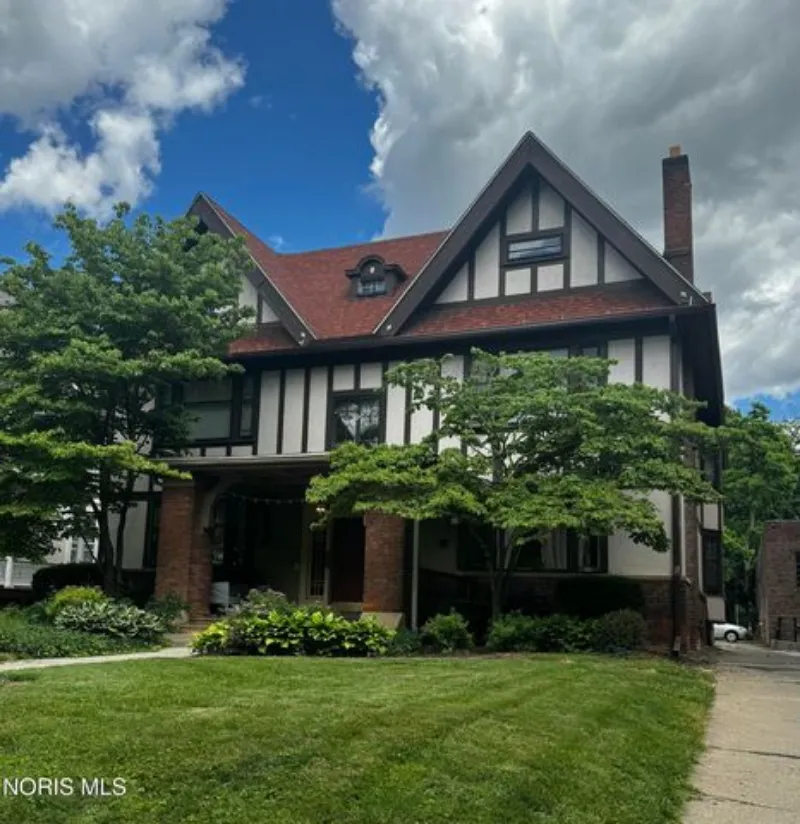
Here’s the part that matters for rodent risk specifically: more than a quarter of Toledo’s rental housing stock was built before 1939. Older sill plates, aging foundations, and decades of freeze-thaw stress make these properties far more exposed to rat and mouse entry than newer construction and a landlord managing several of these units at once is managing that risk several times over.