Attic Cleanup After Rodents — Toledo, OH

If a pest company already trapped the rats or mice in your attic, the job isn’t actually done. Droppings, urine-soaked insulation, and gnawed wiring don’t clean themselves up  and a standard shop vac just kicks dried particles back into the air instead of removing them. In Toledo’s older housing stock especially, attics that have gone untouched for years often have more rodent history than a quick look through the hatch would suggest.

Why Attic Cleanup Matters in Toledo

Toledo’s mix of century-old homes near the Maumee River and decades-old suburban construction gives rodents plenty of undisturbed attic space shaded, insulated, and often untouched for months at a time. Rodent droppings and urine aren’t just an odor problem. Rodents are known carriers of Salmonella and other bacteria, and disturbing dried droppings with a broom or an unfiltered shop vac sends fine particles into the air instead of removing them.

Many Toledo attics more than five years old have some history of rodent activity, even in homes that look perfectly clean from the hatch. The difference between a healthy attic and a contaminated one usually isn’t visible until someone actually goes up and inspects it properly.

A Straight Answer on Hantavirus Risk in Toledo

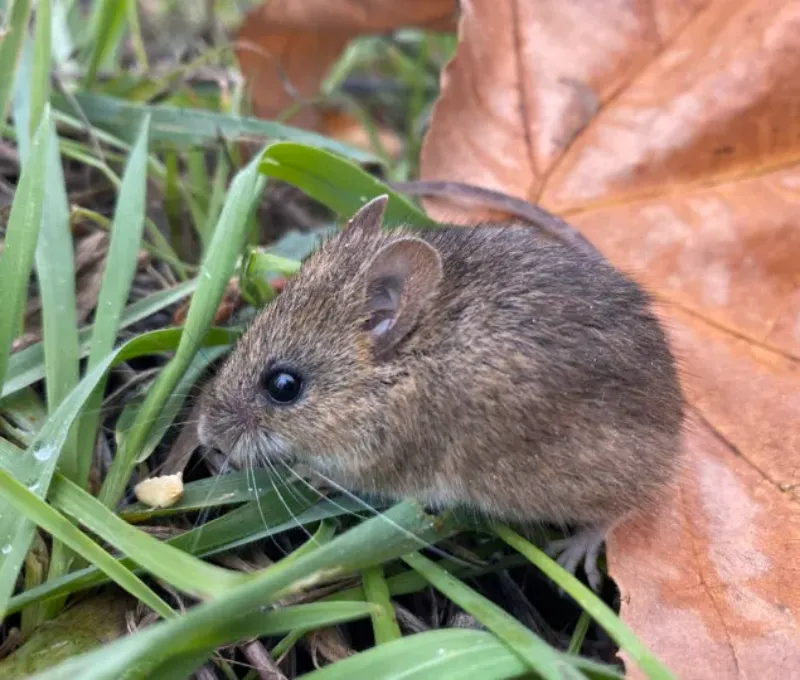
We’re not going to oversell this, because accuracy matters more than a scary headline. Ohio has recorded zero confirmed human hantavirus cases it’s one of only a handful of states with no documented history of the disease, according to CDC surveillance data. The dominant hantavirus strain in North America, Sin Nombre virus, is carried mainly by deer mice, and while deer mice do exist in Ohio’s wooded areas  including land near Oak Openings Preserve and other undeveloped edges around Lucas and Wood County actual transmission to humans here has never been documented.

That said, “never documented in Ohio” doesn’t mean “impossible,” and the CDC’s cleanup guidance applies everywhere deer mice are present, not just in high-incidence Western states. So we treat any attic with unknown or suspected deer mouse activity with the same baseline precautions the CDC recommends nationally: no dry sweeping, no unfiltered shop vac use, and proper respiratory protection during removal. It’s a sensible standard, not a scare tactic  and for the far more common house mouse and Norway rat activity we see in Toledo attics, the same HEPA-and-enzyme approach handles the Salmonella and bacterial risk that’s actually relevant here.

What a Rodent-Damaged Toledo Attic Looks Like

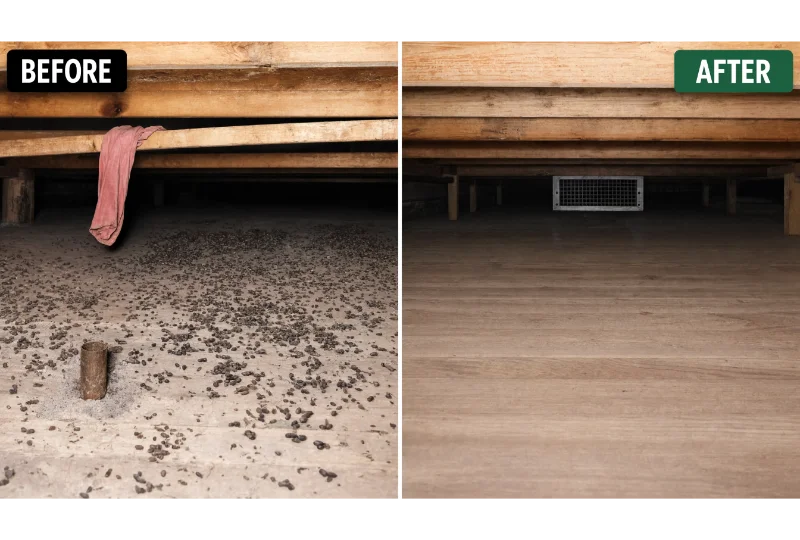
Droppings concentrated along joists near the entry point

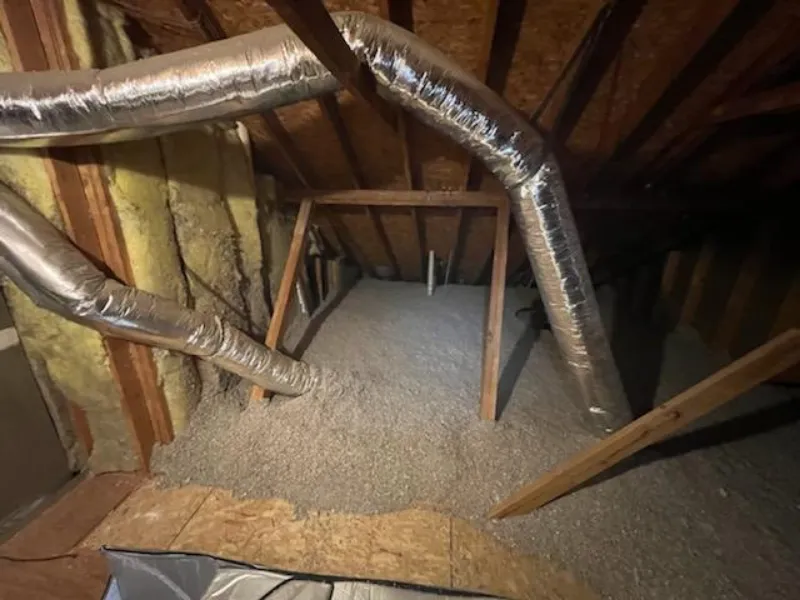
Insulation that’s matted, discolored, or tunneled through from nesting

Gnawed wiring insulation a real fire risk that’s easy to miss without a full inspection

A persistent, ammonia-like odor from built-up urine

Torn vent screens or ductwork from nesting activity

Insulation compressed or displaced from months of foot traffic along the same runway

Our Attic Cleanup Process

Assessment

Contamination and damage documented with photos before anything is touched, including any wiring flagged for a licensed electrician’s follow-up.

HEPA-Vacuum Removal

Attic, crawl space, foundation, garage, and basement every entry point is tagged, photographed, and severity-rated.

Enzyme Deodorizing

Treatment that breaks down odor-causing compounds in urine and eliminates lingering scent trails, rather than a spray that just masks the smell for a week.

Insulation Assessment

We check insulation depth and condition, since nesting compression and urine saturation can reduce insulation effectiveness well before it’s visible from the surface a real concern heading into a Toledo winter.

Insulation Restoration

Damaged sections removed and replaced where contamination is too extensive to clean in place.

Entry Point Sealing

Closed the same visit with freeze-rated stainless mesh and flashing, so the attic doesn’t just get recontaminated a few months later once the weather turns.

Why Cleanup and Sealing Have to Happen Together

Cleaning an attic without sealing the entry point is a temporary fix new rodents will find the same opening and rebuild the same mess within a season. Sealing an entry point without cleaning first traps contaminated insulation and lingering scent trails inside, which can still attract rodents probing from outside and creates an ongoing odor and bacterial issue indoors. We always confirm the attic is fully clear of rodents before permanent sealing, and we always seal before considering a job complete.

What Rodent Control Costs for Toledo Landlords

No bait-and-switch. You see the ranges before we arrive.

Service

Starting From

Notes

Inspection & Report

$300

Credited toward work

Trapping Program (7–10 days)

$450

Humane removal

Attic/Crawl Cleanup

$600 – $4,500+

Based on contamination

Insulation Replacement

Quoted after assessment

Depends on affected area

Full Exclusion (entry sealing)

$200 – $3,500+

Bundled with cleanup for best results

Before & After Rodent Control in Toledo, Real Homes, Real Results

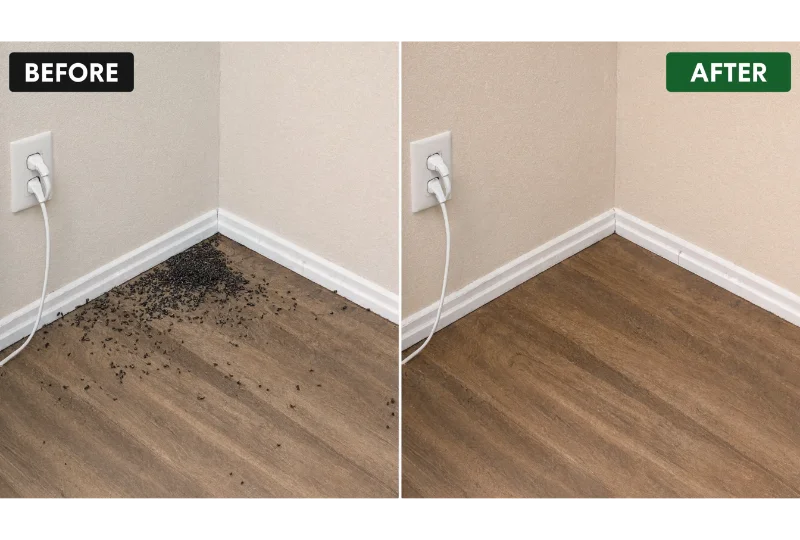
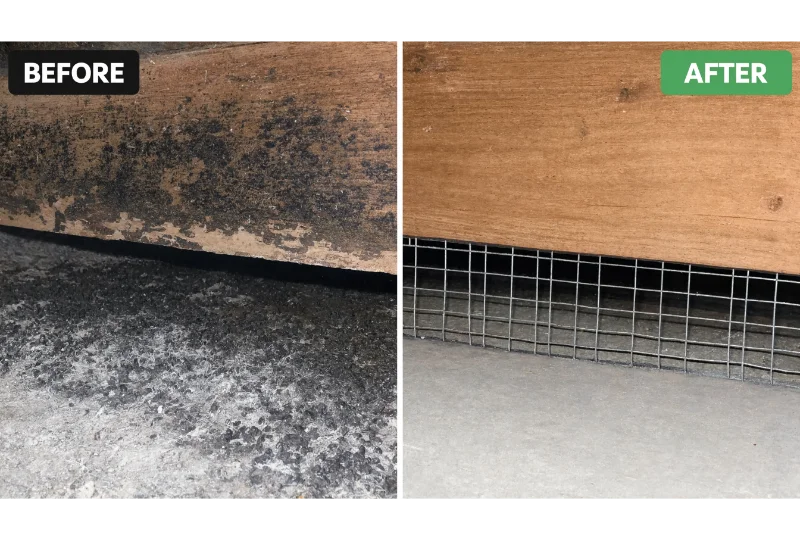
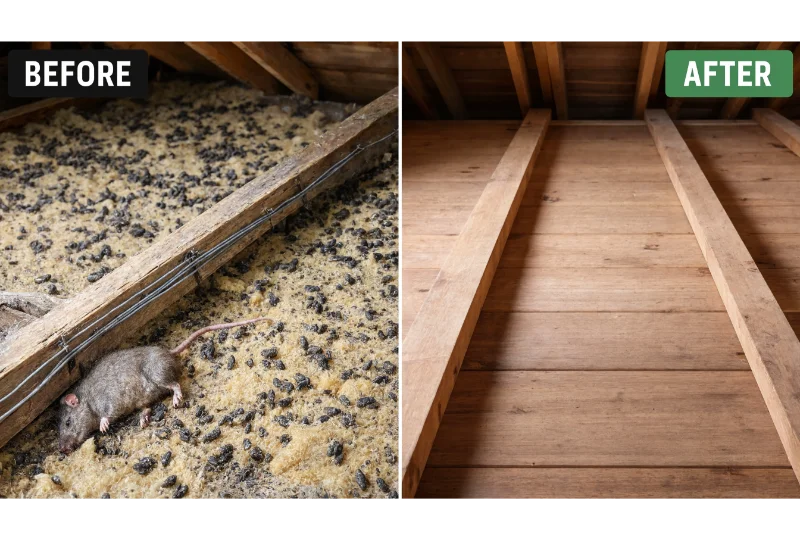
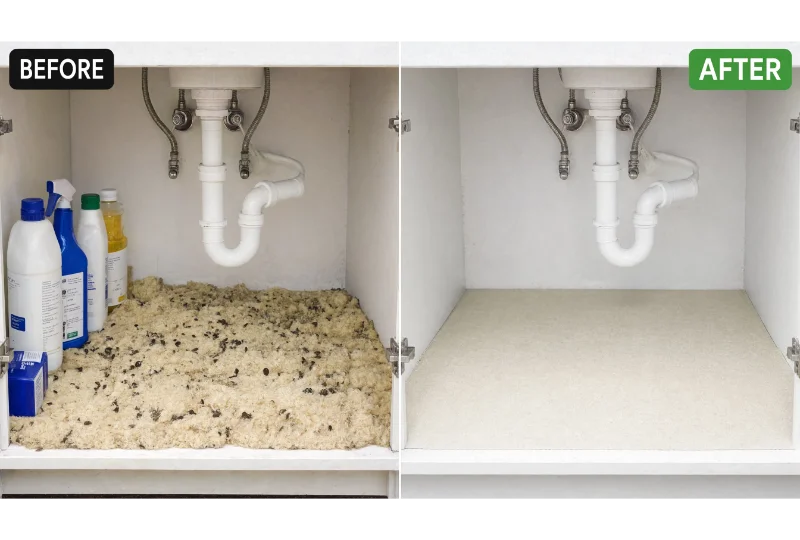
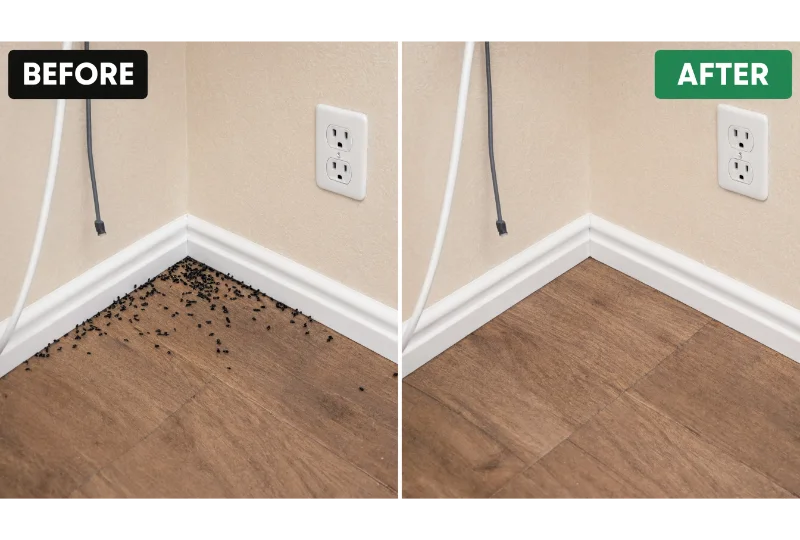
Every before-and-after case below comes from real Toledo-area attics where we removed rodent contamination, restored insulation, and sealed the entry point that caused it.

Before and after dead rodent removal in a rental property managed by a professional property manager.
Before and after professional rodent cleanup and sanitization for a landlord's rental home.
Before and after dead rodent removal showing restored cleanliness in a residential rental property.
Before and after rodent removal service for landlords and property managers to prepare a rental property for tenants.
Before and after odor removal and sanitization after professional dead rodent cleanup.

Got Questions?

We’re happy to help. If you can’t find the info you’re looking for, please don’t hesitate to reach out to us!

It's not recommended. Dried droppings release airborne particles when disturbed, especially with a broom or a standard shop vac, which exhausts unfiltered air back into the space. HEPA filtration and proper respiratory protection exist specifically to prevent that exposure.
Most jobs run $600–$4,500 depending on the size of the attic and how extensive the contamination and insulation damage are. A full inspection gives you an exact number before any work starts.
Cleanup always happens after the rodents are confirmed removed and before permanent sealing. Sealing an active entry point with rodents still inside just traps the problem — and the mess — behind a closed wall.
No. Lightly affected insulation can often be cleaned and treated in place. Replacement is recommended when nesting compression or urine saturation has meaningfully reduced its effectiveness — which we check for during the inspection, not guess at.
Ohio has no confirmed human hantavirus cases on record, so the risk here is low. But since deer mice do exist in wooded areas around Lucas and Wood County, we follow standard CDC-recommended precautions for any attic with unknown rodent history — it costs nothing extra to do the job the safe way.

Serving Toledo homeowners and property managers since [YEAR], locally connected, freeze-thaw experienced, and 100% rodent-focused.
We stand behind our work: 90-day return protection. If rodent activity returns after our exclusion work, we come back at no charge. No fine print, no exceptions.

We stand behind our work: 90-Day Return Protection. If rodent activity returns after our exclusion work, we come back and fix it at no extra charge. No fine print, no exceptions.

About Us

Rodent Guard Toledo is a local, rodent-only team specializing in rat removal, mice exclusion, attic cleanup, and crawl-space decontamination across Toledo, OH and the surrounding Lucas and Wood County communities. We understand how Toledo’s freeze- haw winters, lake humidity, and mix of century-old and new construction homes let rodents in  and we build permanent, photo-documented fixes for it. No shortcuts, no guesswork, no scare tactics  just a clear plan and a home that stays quiet.

Contact Us

Our Address: 3550 Marine Rd, Toledo, OH 43609, United States

Email: rodentguardtoledo@gmail.com

Phone: +1 (419) 724-4554