Rodent Proofing in Toledo, OH — Why Materials Determine Everything

Rodent proofing means physically blocking every path a rat or mouse can use to get in. In Toledo, where winters bring real freeze-thaw cycling and heavy road salt use, “proofing” only works if the material survives the climate. Foam doesn’t. Standard galvanized mesh doesn’t either it corrodes fast near foundations exposed to salt spray and winter runoff. Stainless steel and the right sequence of work do.

The Three Requirements for Effective Rodent Proofing in Toledo

Rodent proofing only works if three things happen in order. First, every entry point actually has to be found a ground-level walk around the house misses most of what’s happening at the foundation line, chimney flashing, and sill plate level, where Toledo’s freeze-thaw damage concentrates. Second, the right material has to go in the right spot: foam alone fails against gnawing, and standard galvanized mesh corrodes faster than most homeowners expect near foundations that see winter road salt runoff and repeated freeze-thaw moisture cycling. Third, the inside has to be confirmed clear of rodents before anything gets sealed sealing over a live population just traps it inside the wall or attic.

All three requirements matter specifically because of Toledo’s conditions: the freeze-thaw cycle continuously creates new structural gaps that weren’t there the season before, and Toledo’s older housing stock much of it built with masonry foundations and balloon-frame construction before 1950 has had decades to develop the kind of settling and mortar-joint wear that generalist pest companies routinely miss.
Material-by-Material: What Works and What Fails in Toledo

Stainless Steel Hardware Cloth (¼-inch openings) — Long-Term

The standard for foundation vents, chimney, openings, and utility penetrations. Unlike galvanized mesh, it doesn’t corrode from repeated exposure to winter moisture and road salt runoff which matters most exactly where Toledo’s older foundations sit close to grade.

Copper Mesh — For Tight, Irregular Gaps

Rust-proof and easy to pack into odd-shaped openings around pipes, conduits, and older masonry joints. A solid alternative to steel wool, which rusts quickly in damp foundation areas and leaves orange staining on brick and stone.

Galvanized Flashing — For Flat, Structural Transitions

Used where a rigid seal makes more sense than mesh: fascia junctions, foundation sills, and chimney-to-roof transitions. Holds up reasonably well above grade, away from direct salt and moisture exposure.

Mortar and Masonry Repair — Not Caulk

Toledo’s older brick and stone foundations, especially in neighborhoods like the Old West End, develop mortar joint gaps as the building settles and freeze-thaw cycling expands and contracts the joints year after year. Caulk is a temporary patch at best proper mortar repointing, paired with stainless mesh behind any larger voids, is the correct long-term fix.

Expanding Foam Alone — Fails Fast

A mouse can fit through a gap about ¼ inch wide, roughly the width of a pencil. Foam alone doesn’t stop that it’s a texture rodents chew through within days, not a real barrier. In Toledo’s climate specifically, foam also becomes brittle and cracks within one to three freeze-thaw cycles, losing its physical seal on top of being chewable. Foam only belongs as backing material behind a metal mesh, never as the seal itself.

Standard Galvanized Mesh — Corrodes Faster Near Foundations

Works initially, but the zinc coating breaks down faster than expected in Toledo when it’s installed near grade-level areas exposed to winter road salt spray and freeze-thaw moisture. Once the coating corrodes, the mesh weakens and the opening widens enough for a mouse to get back through the same spot within a couple of winters. Most pest companies use galvanized mesh because it’s cheaper upfront. It also produces repeat calls.

The Proofing Sequence — Why Order Matters

Phase 1: Inspection

Full inspection of every candidate entry point: foundation perimeter, chimney flashing, crawl space vents, dryer and utility penetrations, and attic access. Every point rated A (confirmed active), B (high probability), or C (monitor), with a written same-day report and before photos.

Phase 2: Trapping to Zero-Catch

 No sealing until we’ve confirmed the interior population is clear. Sealing with rodents still inside creates a trapped colony chewed walls, dead rodents in inaccessible cavities, and an odor problem that’s far worse than the original issue.

Phase 3: Sealing with Correct Materials

Once the interior is confirmed clear, every A and B entry point gets sealed with the correct material for that location stainless mesh for openings, galvanized flashing for structural transitions, mortar repair for masonry gaps, and corrosion-resistant vent covers throughout. After-photos of every sealed point go into your close-out report.

Phase 4: Enzyme Deodorizer + Cleanup

Enzyme deodorizer applied to confirmed grease runs and dropping zones breaks down the pheromone scent compounds that persist after the rodents are gone. Without this step, a sealed structure still chemically signals “established territory” to new rodents probing the same area the following fall.

Toledo Construction Types and Their Main Proofing Challenges

Toledo’s housing stock spans more than a century of construction styles, and each one has a different entry-point pattern.

Old West End & Pre-War Masonry Homes Foundation & Mortar Joint Gaps Common in the Old West End, Five Points, and other established Toledo neighborhoods. Stone and brick foundations develop mortar joint gaps as decades of freeze-thaw cycling expand and contract the joints. Requires masonry repair paired with stainless mesh, not caulk.

Balloon-Frame Homes (Pre-1950) Wall Cavity Access Many of Toledo’s older homes use balloon-frame construction, where wall cavities run uninterrupted from foundation to attic giving rodents a continuous path once they’re in. Sill plate sealing at the foundation line is critical, since it’s often the single point that stops a rodent from reaching the attic.

Standard Suburban Frame Homes (Sylvania, Perrysburg, Maumee) HVAC & Utility Penetrations Common in newer construction across Lucas and Wood County suburbs. Foam-sealed HVAC and utility penetrations from the original build are almost always the first thing to fail usually within one to three Toledo winters.

Garage Door Thresholds Wear-Related Gaps As a garage slab settles over the years, the gap under the door threshold widens a common mouse entry point regardless of the home’s age or neighborhood.

Older Multi-Unit & Duplex Housing (Near University of Toledo) Shared-Wall & Alley-Facing Gaps Common in dense rental neighborhoods near campus. Shared walls between units and alley-facing utility penetrations create entry points that affect multiple households at once, which is why landlord coordination matters for these properties

What Rodent Proofing Costs in Toledo

No bait-and-switch. You see the ranges before we arrive.

Service

Starting From

Notes

Inspection & Report

$300

Credited toward work

Trapping Program (7–10 days)

$450

Humane removal

Full Exclusion

$200 – $3,500+

Most Toledo homes

Complex Exclusion

$900 – $6,000+

Older masonry or multi-unit properties

Masonry/Mortar Repair

Quoted after inspection

Common in pre-war neighborhoods


Real Toledo Homes, Real Rodent Removal Success Stories

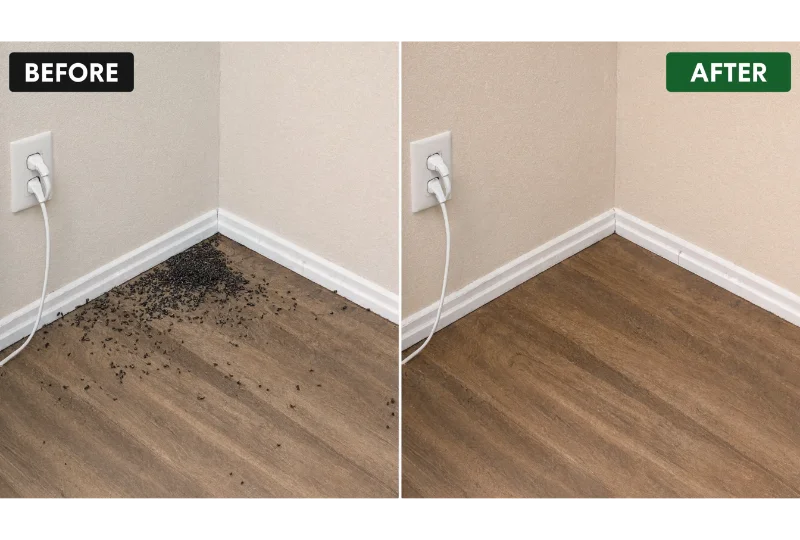
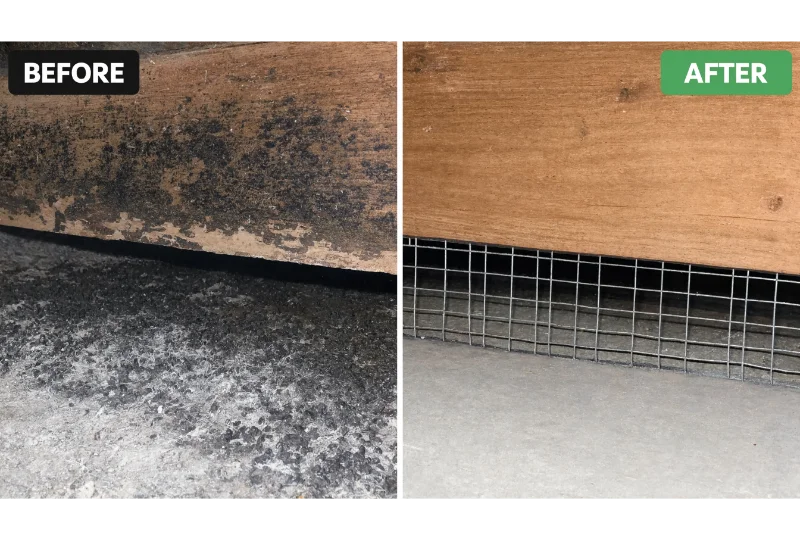
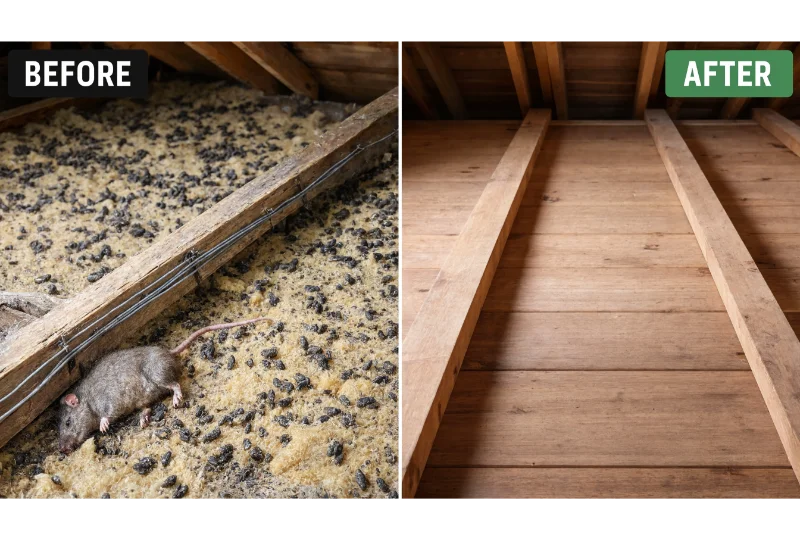
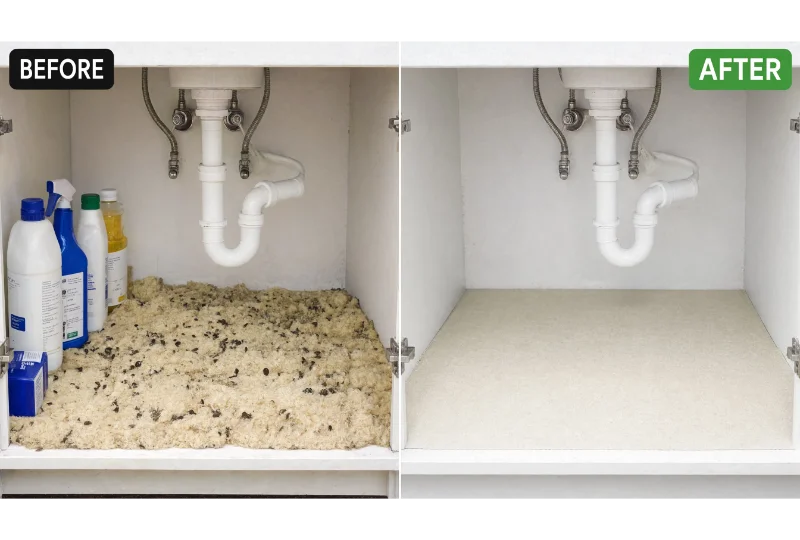
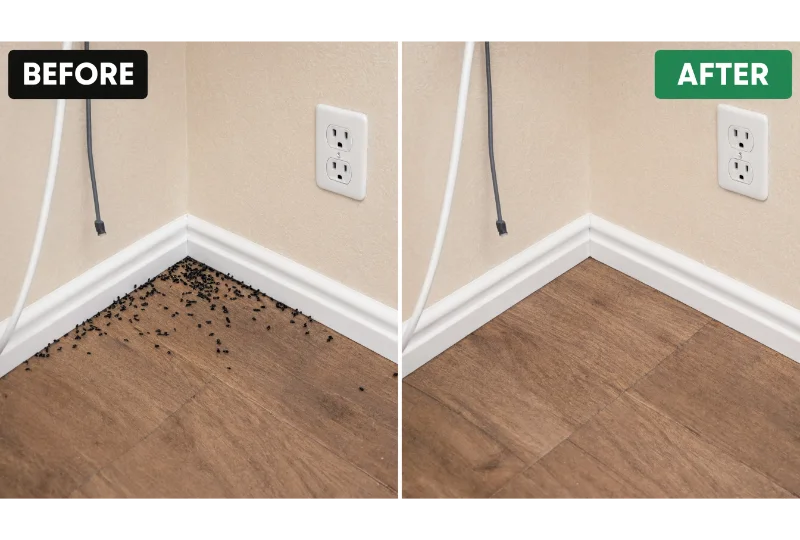
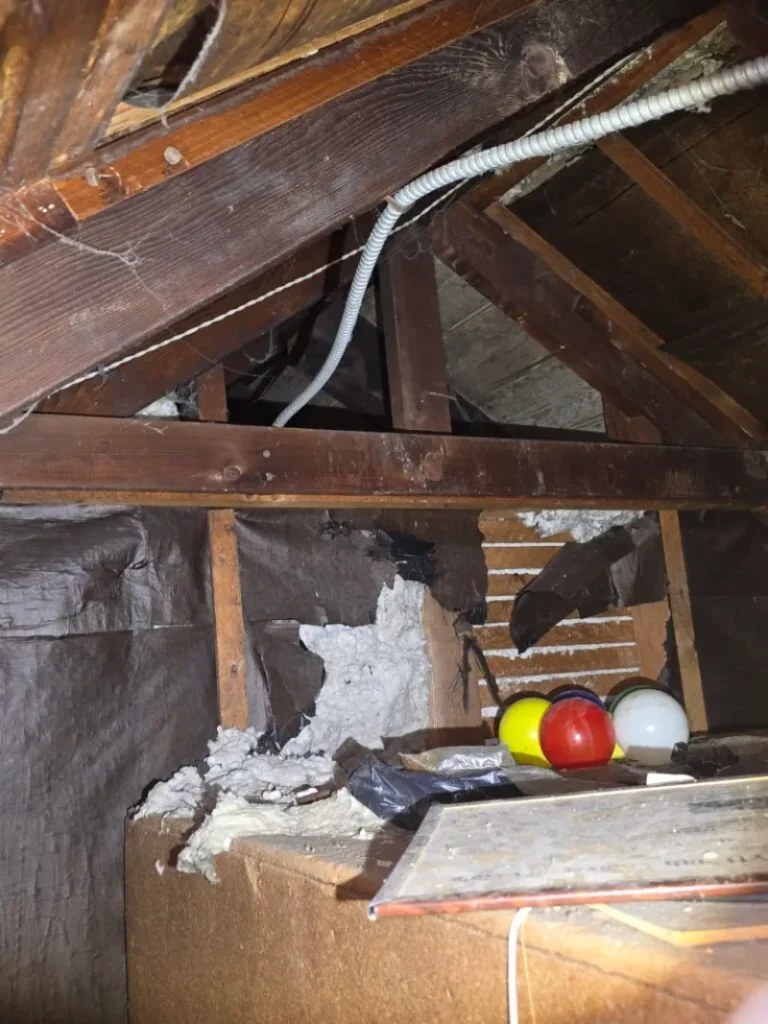
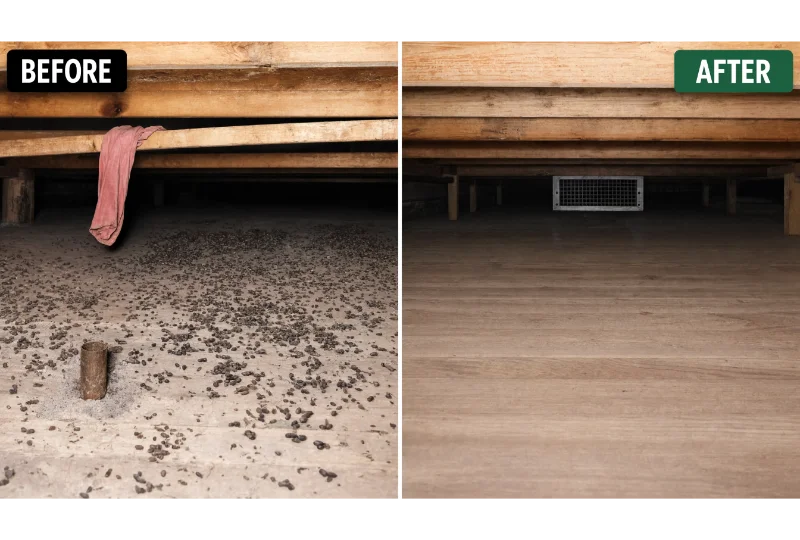
Every before-and-after photo below showcases actual homes in Toledo where our team eliminated rodent infestations, sealed all entry points, and restored insulation damaged by nesting, droppings, and moisture caused by Toledo’s seasonal heavy rainfall.

Before and after dead rodent removal in a rental property managed by a professional property manager.
Before and after professional rodent cleanup and sanitization for a landlord's rental home.
Before and after dead rodent removal showing restored cleanliness in a residential rental property.
Before and after rodent removal service for landlords and property managers to prepare a rental property for tenants.
Before and after odor removal and sanitization after professional dead rodent cleanup.

Got Questions?

We’re happy to help. If you can’t find the info you’re looking for, please don’t hesitate to reach out to us!

Stainless steel mesh and properly installed flashing hold up indefinitely against Toledo's freeze-thaw cycling and winter road salt exposure. Foam-only seals and standard galvanized mesh are the parts that typically fail first — usually within one to three years near grade level.
Most single-family homes run $200–$3,500 for full exclusion, depending on the number of entry points and whether masonry repair is needed. Older homes with stone or brick foundations tend to run higher due to mortar repair work.
Sealing a few obvious gaps with store-bought foam or plastic mesh is better than nothing, but it typically fails within a season or two — especially near foundation areas exposed to freeze-thaw and road salt. A professional inspection catches entry points that aren't obvious from a ground-level walk, particularly on older masonry homes.
Always after. Sealing an active entry point before confirming the interior is clear traps rodents inside, which creates a worse problem than the one you started with.

Serving Toledo homeowners and property managers since [YEAR], locally connected, freeze-thaw experienced, and 100% rodent-focused.
We stand behind our work: 90-day return protection. If rodent activity returns after our exclusion work, we come back at no charge. No fine print, no exceptions.

We stand behind our work: 90-Day Return Protection. If rodent activity returns after our exclusion work, we come back and fix it at no extra charge. No fine print, no exceptions.

About Us

Rodent Guard Toledo is a local, rodent-only team specializing in rat removal, mice exclusion, attic cleanup, and crawl-space decontamination across Toledo, OH and the surrounding Lucas and Wood County communities. We understand how Toledo’s freeze- haw winters, lake humidity, and mix of century-old and new construction homes let rodents in  and we build permanent, photo-documented fixes for it. No shortcuts, no guesswork, no scare tactics  just a clear plan and a home that stays quiet.

Contact Us

Our Address: 3550 Marine Rd, Toledo, OH 43609, United States

Email: rodentguardtoledo@gmail.com

Phone: +1 (419) 724-4554